What is Ankylosing Spondylitis?

Ankylosing spondylitis (AS) is a chronic inflammatory disease that primarily affects the spine and sacroiliac joints, where the spine connects to the pelvis. It belongs to a family of related conditions called spondyloarthritis. Over time, persistent inflammation can cause new bone to form in the spine, eventually leading to sections of vertebrae fusing together. This fusion reduces spinal flexibility and, in advanced cases, may result in a stooped or hunched posture.

AS typically develops in late adolescence or early adulthood, with most people experiencing symptoms before age 45. When inflammation affects the joints where the ribs connect to the spine, it can restrict chest expansion and make deep breathing difficult. Early diagnosis and treatment are essential for managing symptoms, maintaining mobility, and slowing disease progression.

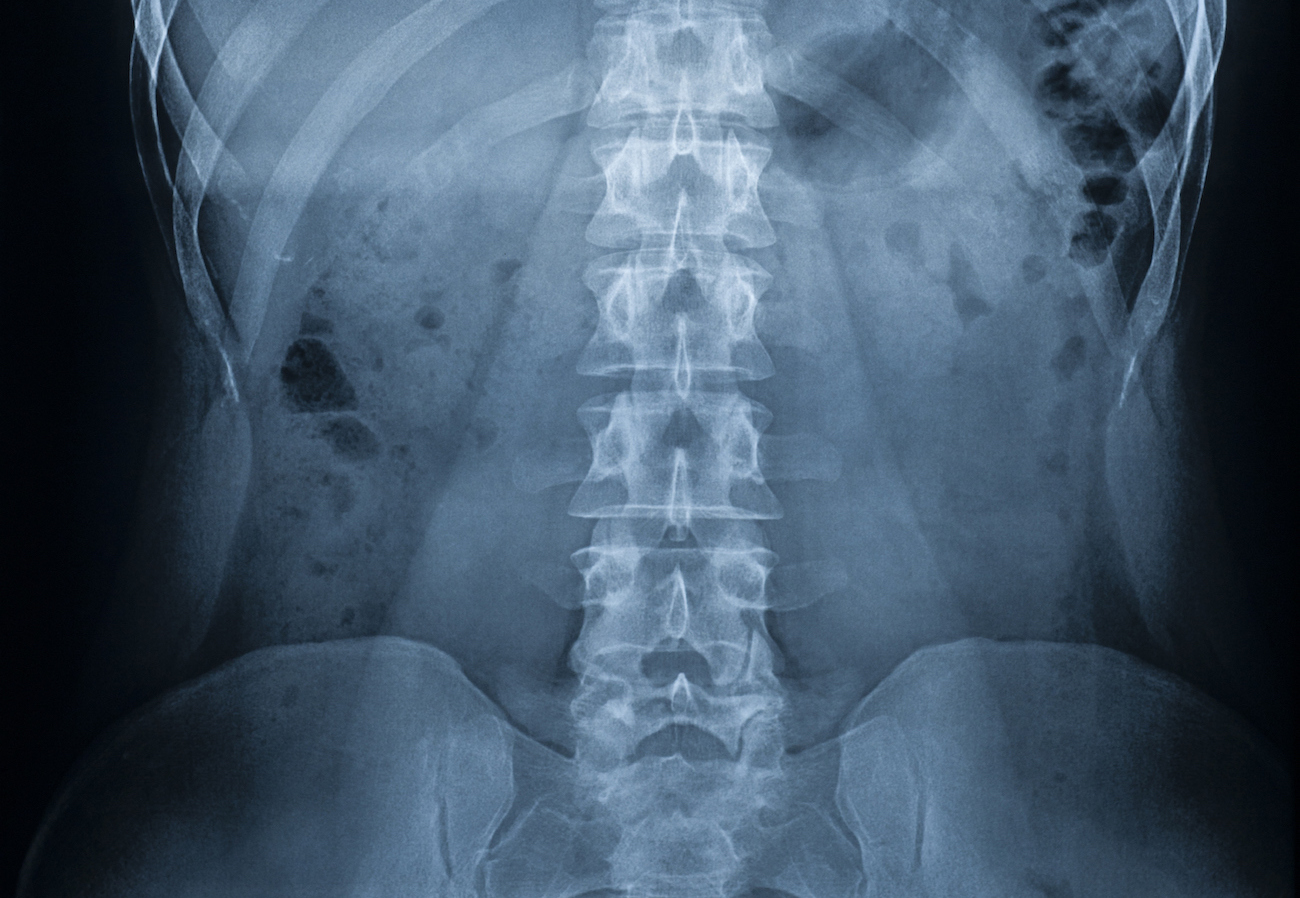
X-ray of a man’s body - spine, pelvic bones, ribs, internal organs

Types of Ankylosing Spondylitis

Ankylosing spondylitis falls within a broader category called axial spondyloarthritis (axSpA), which refers to inflammatory conditions that primarily affect the spine and sacroiliac joints. AxSpA is classified into two types based on whether structural damage is visible on imaging:

  • Radiographic axial spondyloarthritis (r-axSpA), also known as ankylosing spondylitis, is diagnosed when characteristic changes to the sacroiliac joints or spine are visible on X-ray.
  • Non-radiographic axial spondyloarthritis (nr-axSpA) is diagnosed when a patient has symptoms and clinical signs of the disease, but X-rays do not yet show structural damage. Diagnosis is based on symptoms, blood tests (such as the HLA-B27 marker), and other imaging such as MRI, which can detect inflammation before bone changes occur.

Both forms can cause significant pain and stiffness, and nr-axSpA may progress to radiographic AS over time. Early diagnosis of either type allows for timely treatment that can help manage symptoms and slow disease progression.

Areas of the body most commonly affected:

  • The sacroiliac joints, where the base of the spine connects to the pelvis
  • The vertebrae of the lower back
  • Entheses, where tendons and ligaments attach to bone, particularly in the spine and back of the heel
  • The cartilage connecting the breastbone to the ribs
  • The hips and shoulders

Symptoms often come and go in cycles of flares and remission. Because early symptoms can be subtle and overlap with other conditions, AS is frequently misdiagnosed or delayed for years. If you experience persistent back pain lasting more than three months, especially if it began before age 45 and improves with activity, consult a rheumatologist for evaluation.

vasculitis-banner

Symptoms of Ankylosing Spondylitis

Ankylosing spondylitis symptoms typically develop gradually over weeks or months rather than appearing suddenly. Many people first notice symptoms in their late teens or twenties, though the condition can be difficult to recognize early because back pain is so common.

Common symptoms of AS include:
  • Chronic pain and stiffness in the lower back, hips, and buttocks, often worse in the morning or after periods of inactivity
  • Symptoms that improve with movement and exercise but not with rest
  • Neck pain and reduced range of motion in the spine
  • Fatigue, which can range from mild to severe
  • Stiffness or discomfort in the ribcage, which may affect breathing
Complications of Ankylosing Spondylitis

How is Ankylosing Spondylitis Diagnosed?

Diagnosing ankylosing spondylitis can be challenging because symptoms develop gradually and often resemble other causes of back pain. Your rheumatologist will use a combination of clinical evaluation, imaging, and lab work to reach an accurate diagnosis.

Physical Exam

During your visit, your provider will assess your spinal mobility by asking you to bend and move in different directions. They may try to reproduce your pain by pressing on the pelvis or positioning your legs to stress the sacroiliac joints. You may also be asked to take deep breaths to evaluate whether chest expansion is limited, which can indicate rib involvement.

Imaging

X-rays can reveal changes to the sacroiliac joints and spine that are characteristic of AS, including joint erosion or fusion. However, these changes may take years to appear. MRI is often used to detect inflammation earlier in the disease process, before structural damage becomes visible on X-ray, making it especially valuable for diagnosing non-radiographic axial spondyloarthritis.

Lab Tests

There is no single blood test that confirms AS, but certain tests can support the diagnosis. The HLA-B27 genetic marker is present in a majority of people with AS, though having it does not guarantee you will develop the condition. Blood tests measuring inflammation levels, such as C-reactive protein (CRP) and erythrocyte sedimentation rate (ESR), can also help your provider assess disease activity.

Treatment Options for Ankylosing Spondylitis

There is no cure for ankylosing spondylitis, but effective treatments can relieve pain and stiffness, maintain mobility, and prevent or delay spinal complications. The earlier AS is diagnosed, the sooner treatment can begin to help avoid irreversible damage. Your rheumatologist will work with you to develop a personalized treatment plan based on your symptoms and disease activity.

Medications
Physical Therapy

Now Accepting
New Patients

illus-circles